Use: Removes all Unbalanced and Unclear effects from your game.
I design the rules players feel and the content that fills them: combat kits, enemies and bosses, progression and economies. I write the specs, build the spreadsheets, prototype the feature and tune it through playtests, data and a critical eye until it delivers what the game promises.
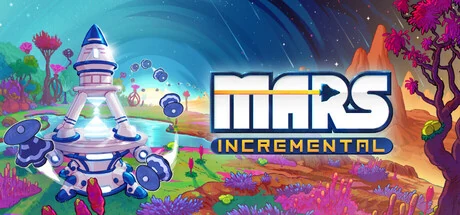
Designed the core loop, economy and progression of an incremental game about terraforming Mars, with a mechanic of its own for each building, from a talent tree to fluid cooling. Built and tuned its game data in tables of up to 500 entries through playtests.
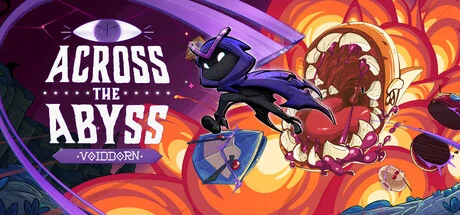
Took an existing prototype to launch. Designed the combat, where defeated enemies become bombs that chain through the crowd, the elemental system, and every boss and enemy, balanced across both stages. Also wrote the three companions who help the hero face a villain who is a twisted version of himself.
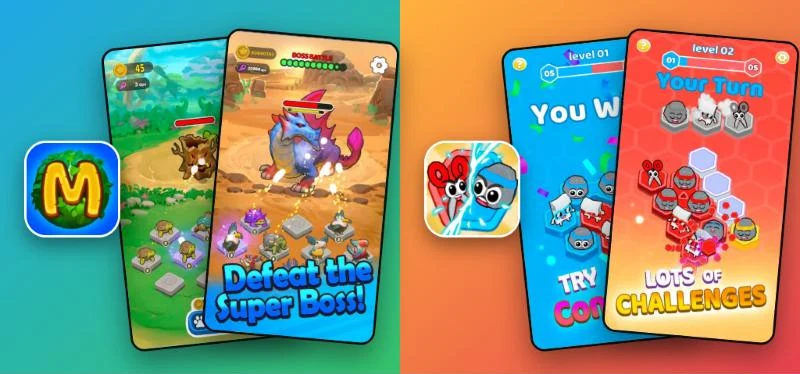
Led the design of five of them, including Mutant Combat Merge and Hex Conquest, from high concept and GDD to post-launch balancing driven by soft launch metrics and publisher feedback.
Before that, at PUGA Studios: economies, combat, content and levels for NDA-protected projects, and Carnavalência, a mobile game made with Brazil's Ministry of Culture.
How I work
Mechanics, lore and numbers are designed together, so every rule belongs to its world.
I own features end to end, from the experience a player should have to the numbers that make it happen.
1
Experience goal
What the player should feel, and the pillars that protect it.
Feature brief
2
Spec
Rules, edge cases and UI flow, written so engineers and artists can build from it.
Feature spec
3
Numbers
Economies, curves and balance, modeled before they are built.
Balance sheet
4
Prototype
A playable version as early as possible, with the team or AI-assisted.
Playable build
5
Critique & tune
Metrics show what happened, not why. I read them against playtests and my own critique before touching a number.
Tuning pass
Steps 3 to 5 run in a loop. I'm the toughest critic of my own designs, so every pass ends with something to cut, fix or push further.
Systems & economy
Every system belongs to its world.
Mars Incremental: Cooling Gel
Problem
The water building needed a mechanic of its own, one players would feel the moment they unlocked it.
Decision
I made water a fluid: players choose where it goes. Since water gets spent, buildings run on Cooling Gel, inspired by PC water coolers and CPU cooling gel, which can be moved from one building to another at any time.
Result
Upgrading a building is no longer a one-time purchase. In playtests, players kept rerouting gel to wherever it mattered most.
Combat & class design
Each part pushes back on the others.
Demon Hunter: Battle Rhythm
Problem
The fantasy came from Illidan in Heroes of the Storm, whose attacks lower his cooldowns. Applied to the whole kit, it made haste the only stat that mattered.
Decision
Battle Rhythm touches only the strikes, the engine of each build. The rest of the kit keeps standard cooldowns.
Result
Strikes never return on a fully predictable timer, and haste is strong only while mana holds, so each spec values it differently.
AI & difficulty
Numbers and feel are tested, not assumed.
Hex Conquest, Hoplon
Problem
On mobile, an AI that plays well feels unfair, and one that plays badly feels pointless.
Decision
I tuned the AI to feel threatening while quietly favoring the player, and added adaptive difficulty.
Result
Even our QA didn't notice the AI was letting them win: it played like a real challenge. A shared win for design and engineering.
With a team
At Hoplon, I took features from high concept and GDD through implementation with engineers, artists and QA, and shipped seven games with publishers, five of them as lead designer.
At Pixel Hound, I guide the art team on decisions that shape what players see, and I presented the game's design in publisher pitches.
I built Pixel Hound's development process and implementation pipeline from scratch.
The Demon Hunter is shaped by player feedback from the WoW: Forever community.
Design
Gameplay systems
Class and combat design
Spells
Rewards and progression
Economy and balancing
Content and level design
Rapid prototyping
Design documentation
“Well-made work, given the time it needs, with care and study, always wins.”
The documents behind the games, the way a team would use them.
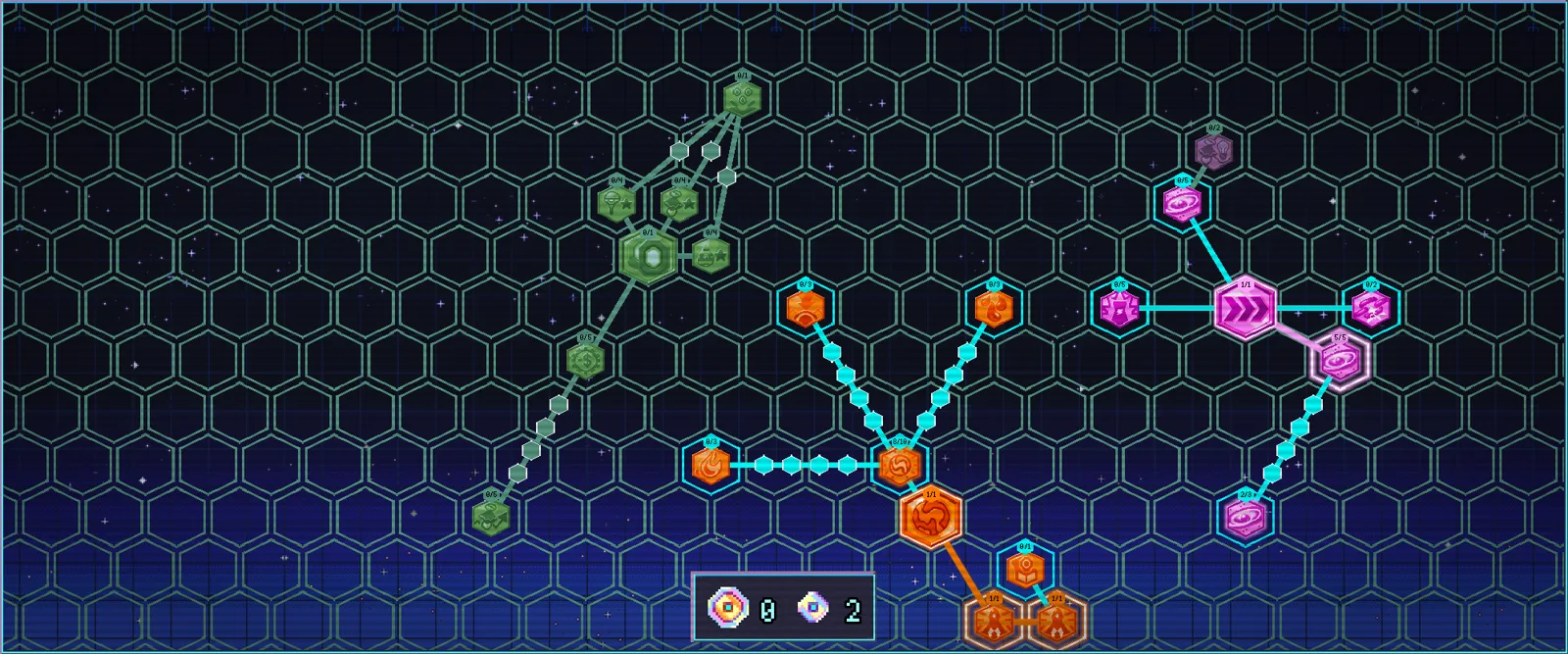
Mars Incremental: the talent system
Feature spec and balance modelLead game designer
How a talent tree turned every prestige into a choice about how to play: the goals, the rules, a tree you can explore, and the time-based balance model that graded it, failures included.
What I make in my free time: designs and tools I share with the community of each game.
4
4 Next idea
Forever Class Lab: build it, then play it
WoW: ForeverBeta
Talent calculator and class tester
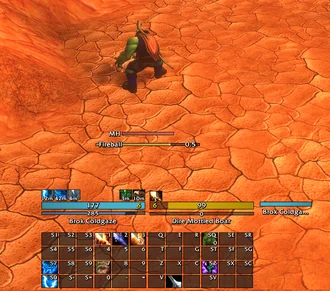
A talent calculator and class tester for every WoW: Forever class, built from public beta data. Pick your talents and action bar, then feel the rotation in damage, tank and healing tests before you commit to a class.
A playable prototype of a Demon Hunter class for WoW: Forever, faithful to the Warcraft III hero. Three specializations, a combat rhythm where every hit brings your strikes back sooner, Demon Bloods earned by hunting demons, original lore that brings the class to the Horde, and a stage you can play right now.